
TNPSC Books
-
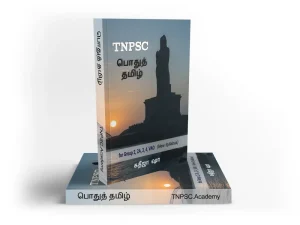
 TNPSC பொதுத் தமிழ் Book - for Group 2, 2A, 3, 4 & VAO
Original price was: ₹1,000.00.₹850.00Current price is: ₹850.00.
-
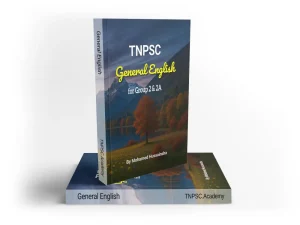
TNPSC General English Book - for Group 2 & 2A
Original price was: ₹1,000.00.₹850.00Current price is: ₹850.00.
Group 1 Courses

TNPSC Group 1 - Test Series - 2019
Original price was: ₹3,500.00.₹2,800.00Current price is: ₹2,800.00. 542
Class Tests
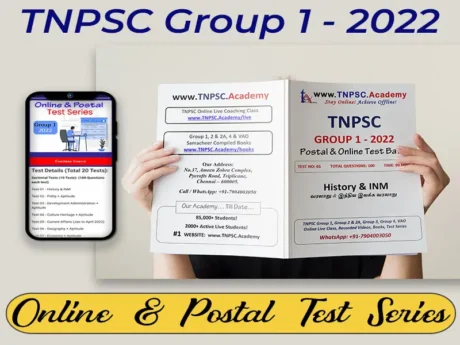
PRIVATE 67Group 1 | Postal and Online Test Series | 2022
Original price was: ₹3,200.00.₹2,800.00Current price is: ₹2,800.00. 88





Group 2 & 2A Courses
TNPSC Group 2 and 2A - Test Series - 2019
Original price was: ₹2,400.00.₹1,800.00Current price is: ₹1,800.00. 527Class Tests
PRIVATE 67TNPSC Group 2 and 2A - Test Series - 2019 - தமிழ்
Original price was: ₹2,400.00.₹1,800.00Current price is: ₹1,800.00. 175TNPSC Group 2 and 2A MAINS - 2022
PRIVATE 344






Figures of speech:
A figure of speech is an expressive use of language to show a special effect by using words in distinctive ways. The special effect may be rhyming sounds or any other. There are many figures of speech, here are some of them.
Alliteration:
The repetition of an initial consonant sound*. It depends on the sound and not on repetition of letters.
*The sound of English alphabets except vowels (a, e, i, o, u).
Ex: “Guinness is good for you” – It is alliterative as words Guinness and good gives similar consonant sound.
“Climate change is observed lightly in Tamil Nadu” – Non alliterative as words Climateand Change gives different sound.
Allusion:
A reference to a person, place or event that happened – may be real or fiction. The reference may be to any painting, script, character etc.
Ex: “He is a real Romeo with ladies” – Here the reference is to the character “Romeo” in Shakespeare’s plays Romeo and Juliet.
Simile:
Comparing two dissimilar things that have certain qualities in common. It is usually done with phrase “like” or “as”.
Ex: “He is as tall as Eifel tower”
Metaphor:
An implied comparison between two unlike things that actually have something important in common.
Ex: “The streets were a furnace, the sun an executioner.” (Cynthia Ozick, “Rosa”) – Here the streets are compared to the furnace and the sun to the executioner. Here too the comparison is done as like simile but it is in broader sense.
NOTE: Similes mostly uses the comparison words “like” and “as”. The other comparison can be attributed to metaphor.
Personification:
A figure of speech in which a lifeless object or abstraction is provided with human qualities or abilities.
Ex: “The wind stood up and gave a shout.” – Here the wind (lifeless object) is compared to a human standing up and shouting.
Oxymoron:
A figure of speech in which contradictory terms appear side by side.
Ex: “The best cure for insomnia is to get a lot of sleep.” – Here the insomnia (habitual sleeplessness) is compared with sleeping – Contradictory words.
Onomatopoeia:
The use of words that imitate the sounds associated with the objects or actions they refer to.
Ex: “Ding Dong! The door bell is ringing.”
Anaphora:
The repetition of the same word or phrase at the beginning of successive clauses or verses.
Ex: “I needed a drink, I needed a lot of life insurance, I needed a vacation, and I needed a home in the country. What I had was a coat, a hat and a gun.” (Raymond Chandler, Farewell, My Lovely, 1940) –
The word “needed” is repeated in the above verses.
Ellipsis:
Ellipsis is the omission of one or more words, which must be supplied by the reader.
Ex: “Wise men talk because they have something to say; fools, because they have to say something.” (Plato) – Here the second sentence does not contain the word “talk”.
Rhyme Scheme:
The arrangement of Rhymes in a poem. Rhyme here stands for the similarity of sounds.
Repetition:
It is the simple repeating of a word, within a sentence or a poetical line, with no particular placement of the words, in order to provide emphasis.
Apostrophe:
Breaking off the line to address some absent person or thing, some abstract quality, an inanimate object, or a nonexistent character.